
Curtains Fall on a Theatre Legend: Remembering Vijaya Mehta, the Architect of Modern Marathi Drama

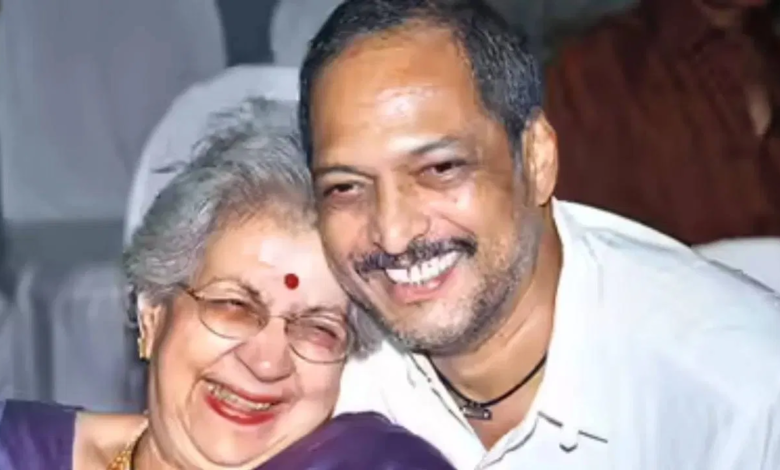
The Indian theatre fraternity is mourning the loss of veteran theatre director and actor Vijaya Mehta, who passed away at the age of 92 following a prolonged illness. Her cremation took place at Walkeshwar, Mumbai, marking the end of a golden, deeply intellectual era in Indian performing arts.
As a pioneering force of the 1960s parallel cinema and experimental theatre movements, Mehta did not just direct plays; she institutionalized a rigorous discipline that shaped at least two generations of India’s finest actors, writers, and directors.
The Woman Who Built Icons
Mehta was widely revered for her ability to spot raw talent, mentor it, and provide a launchpad for legendary artists. She brought a strict academic discipline to Marathi theatre, teaching actors how to master rehearsals, analyze character psychology, and perfect script memorization.
Creative Collaborations & Protegés:
The Writers were instrumental in bringing the pathbreaking, gritty scripts of playwright Vijay Tendulkar to life. She discovered, trained, or provided defining platforms for powerhouse talents including Nana Patekar, Reema Lagoo, Ashok Saraf, Vikram Gokhale, Neena Kulkarni, Suhas Joshi, Bharati Achrekar, and Vandana Gupte. Alongside stalwarts like Dr. Shriram Lagoo and Vijay Tendulkar, she co-founded the ‘Rangayan’ movement, which laid the absolute foundation for experimental and parallel theatre in Maharashtra.
Masterpieces of Her Career
Whether directing from behind the scenes or commanding the stage as an actress, her body of work remains unparalleled. Some of her most iconic and enduring plays include:
- Hamidabaichi Kothi
- Wada Chirebandi
- Barrister
- Sandhyachhaya
- Purush
- Jaswandi
- Savitri
Early Life and Background
Born on November 4, 1934, in Baroda as Viju Jaywant, she hailed from an educated family; her father worked with the Theosophical Society. She graduated in Economics and Political Science from the University of Mumbai. She began her acting journey with the drama wing of the Mumbai Marathi Sahitya Sangh before receiving formal, elite theatrical training at the National School of Drama (NSD) under legends like Ebrahim Alkazi and Adi Marzban.
She was first married to Harin Khote (son of the legendary actress Durga Khote), with whom she had two sons, Ravi and Deven. Following Harin’s tragic, untimely demise, she later married Farokh Mehta, with whom she had a daughter, Anahita. With her passing, Indian art loses a towering matriarch who fiercely elevated regional theatre onto the global and national stage.



Leave a Reply
You must be logged in to post a comment.