
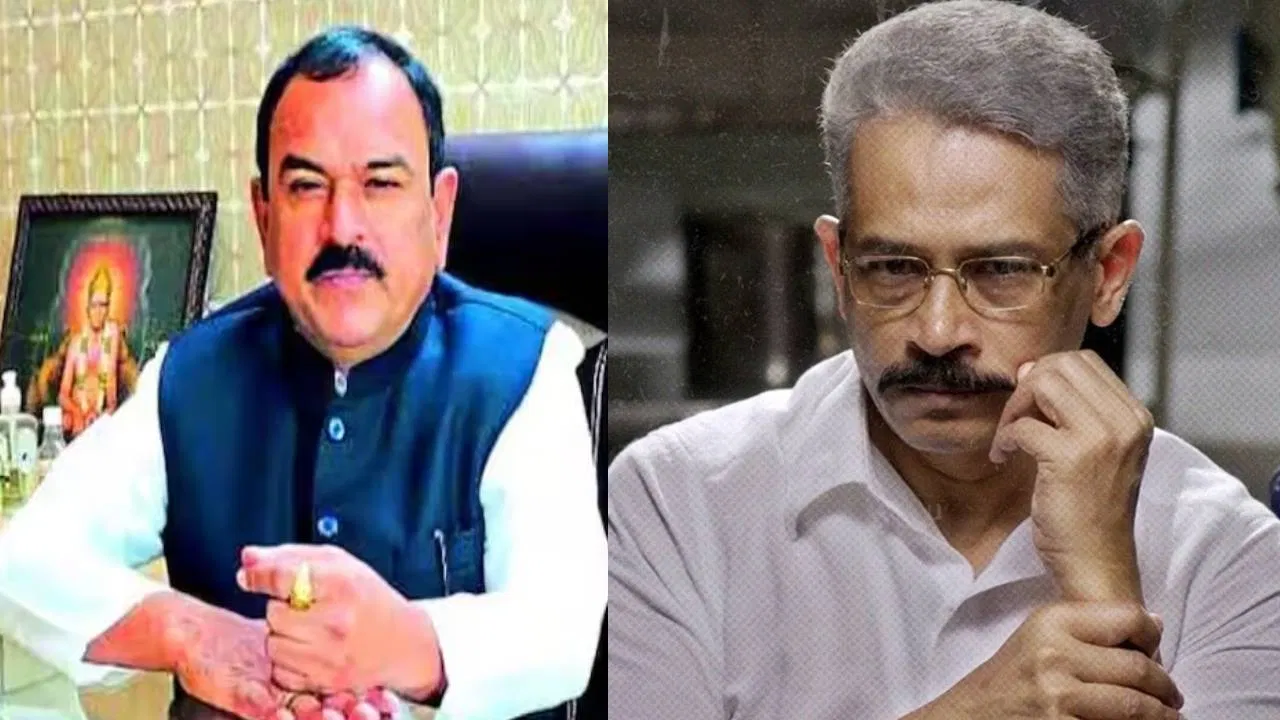
Following the shocking arrest of self-styled godman Captain Ashok Kharat in Nashik, acclaimed Marathi actor Atul Kulkarni has taken to social media to raise sharp, philosophical questions about the nature of blind faith. The post, which has quickly gone viral, challenges the public to look beyond the individual arrest and examine the systems that allow such figures to thrive.
The Context: The Ashok Kharat Investigation
Captain Ashok Kharat is currently in custody over allegations of torturing a woman under the guise of possessing divine powers. The investigation has taken a dark turn with the police seizing 58 mysterious videos, and the Maharashtra Andhashraddha Nirmoolan Samiti (MANS) suggests that high-profile personalities and political leaders may be implicated. A Special Investigation Team (SIT) is now digging deeper into the “hoaxes” and exploitation associated with his ashram.
Atul Kulkarni’s Provocative Questions
Writing on his X (formerly Twitter) account, Kulkarni didn’t just criticize Kharat; he turned the lens on society itself. His post centers on a chilling thought: “Does a person become an impostor only after being caught?”
He expanded on this by asking:
- Before the Arrest: What are these individuals considered before the law catches up with them?
- The Ones Who Escape: What about the “Maharajas” who are never caught?
- The Nature of Devotion: Who exactly are the followers—partners, victims, the naive, or the willfully blind?
Linking Religion and Politics
Kulkarni’s critique went beyond spiritual exploitation. He drew a bold parallel between religious blind faith and political loyalty, asking if the same logic of “blindness” applies to supporters of any political party.
“When was faith ever blind? What is the difference between blindness and superstition?” he questioned. He concluded by asking a heavy question regarding personal accountability: “Do those who become blind have any responsibility for it?”
पकडले गेले कीच आणि तरच ‘भोंदू’?
त्या आधी ते काय असतात?
आणि जे कधी पकडलेच जात नाहीत ते?ज्या वेळी कुणी ‘महाराज’ भाोंदू ‘निघतात’,
तेंव्हा त्यांचे भक्तं नेमके कोण होतात?
भागीदार, पिडीत, अंधळे, अंधश्रद्धाळू, कमनशिबी, भाबडे, मूर्ख की आणखी कुणी?
(१/२)#globalphenomenon— atul kulkarni (@atul_kulkarni) March 22, 2026
A Call for Introspection
By reprimanding the culture of blind faith, Kulkarni’s post has reignited a debate on the responsibility of the devotee. While the SIT continues its probe into the “mysterious” activities of Ashok Kharat, Kulkarni’s words serve as a reminder that the problem of “fake babas” is often sustained by those who choose not to see.
- Maharashtrachi Hasya Jatra Actor Viraj Jagtap Injured in Car Accident
-

-

-

